Why Peter Obi Went to Benue and How His Visit Was Disrupted
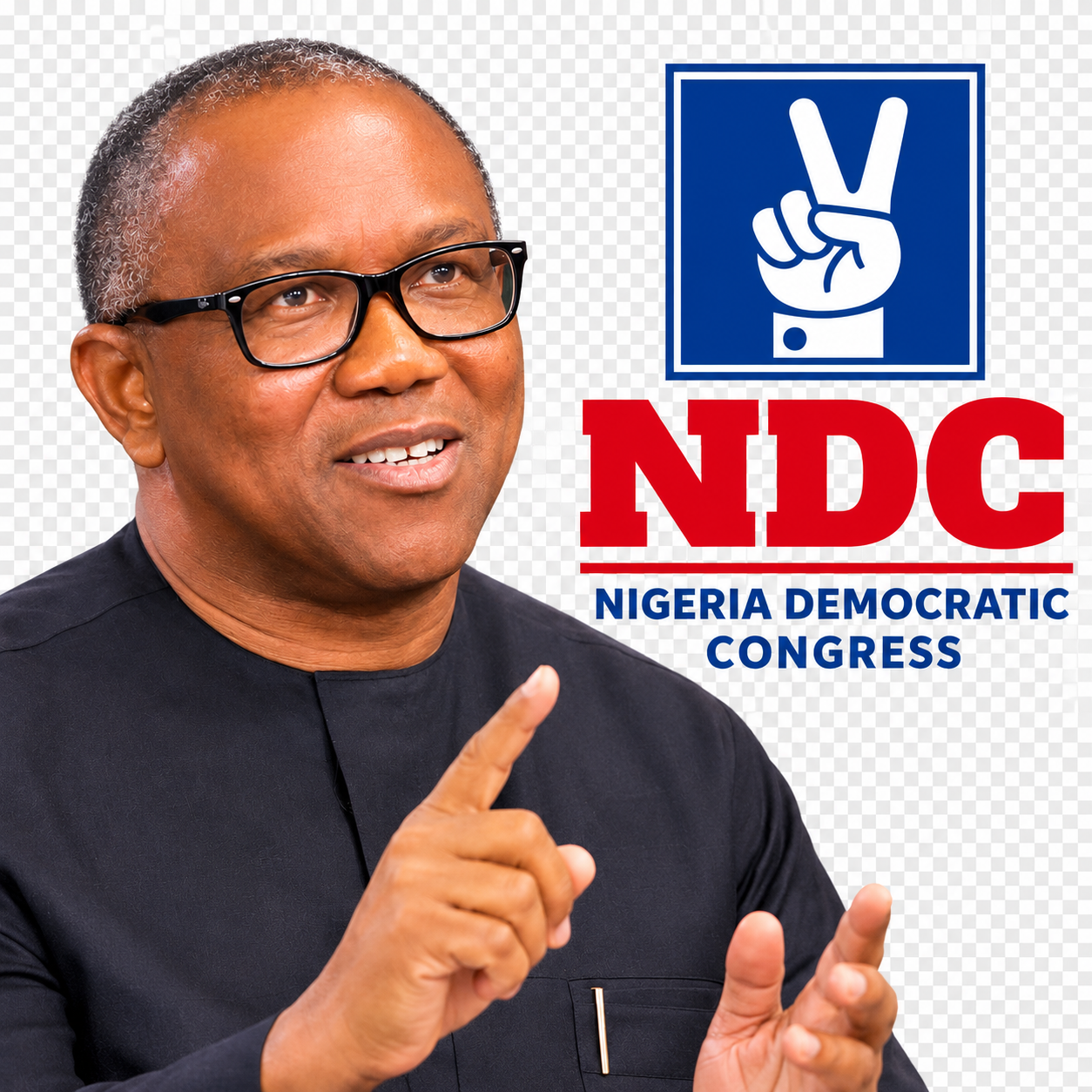
Nigeria Democratic Congress (NDC) presidential candidate Peter Obi travelled to Benue State on Tuesday as part of what he described as a humanitarian visit to communities affected by the deadly violence in the state.
Peter Obi said he arrived in Benue at about 9:00 a.m. with plans to travel to Yelwata, where he intended to meet families affected by the killings that occurred there in June 2025.
His stated purpose was not to hold a political rally but to sympathise with families who lost loved ones, listen to their experiences and show solidarity with a community that has continued to deal with the consequences of the violence.
Why Yelwata?
Yelwata became the scene of one of the most devastating attacks in Benue in June 2025. Hundreds of people were reportedly killed or displaced during the violence, although casualty figures have varied across reports.
The community was also home to internally displaced people who had sought safety from violence elsewhere.
For Obi, the planned visit was therefore an opportunity to personally meet some of the affected families and express condolences more than a year after the tragedy.
He said he travelled to Benue because he believed Nigerians affected by violence deserved attention and solidarity regardless of their political affiliation.
What happened on the way?
Obi's convoy reportedly encountered a group of youths along Gboko Road in Makurdi, near the Nigerian Air Force Base and the airport area.
Videos circulating online showed a crowd blocking the road as Obi's convoy attempted to proceed. Some people were seen carrying sticks and other objects, while police personnel were also visible between the group and the convoy. Another video showed the convoy turning back as the confrontation continued.
Obi subsequently said that people he described as “thugs” prevented him from continuing to Yelwata and were chanting for him to leave.
As a result, he said he could not reach the community as originally planned.
Who was behind the obstruction?
This remains one of the most disputed aspects of the incident.
Obi described the people who stopped his convoy as hired thugs. His party, the NDC, also called for an investigation into the incident.
However, the Benue State Government has denied sending anyone to obstruct Obi. The government said it was not aware of the visit beforehand and rejected suggestions that it deployed people against the opposition candidate. It also argued that if there were security concerns, the appropriate security agencies not groups of youths should handle them.
The Benue Police Command, according to reports, was aware of Obi's movement and provided security for the trip. The circumstances surrounding the road blockage therefore remain subject to investigation.
Why the incident matters
The controversy comes at a particularly important time for Nigerian politics, with political parties and presidential hopefuls already preparing for the 2027 general elections.
The ability of political candidates to travel across the country, meet citizens and carry out lawful political or humanitarian activities without intimidation is an important part of a functioning democracy.
If political disagreements begin determining who can enter a state or visit a particular community, it could create a dangerous precedent.
Today's incident involves Peter Obi, but the broader issue extends beyond one candidate or political party. The same principle should apply regardless of whether the person involved belongs to the ruling party or the opposition.
Benue has a history of political and security sensitivities
The development also comes against the background of previous disagreements surrounding Obi's visits to Benue.
In April 2025, Governor Hyacinth Alia warned against an unscheduled visit by Obi to internally displaced persons in the state, saying visitors to IDP camps were expected to obtain approval through the relevant state emergency management authorities.
That earlier dispute provides additional context to the latest confrontation, although it does not by itself establish responsibility for Tuesday's road blockage.
The bigger question for Nigeria
The incident raises a question that will become increasingly important as the 2027 election approaches: Can Nigerian politicians compete fiercely while still respecting each other's right to campaign, travel and engage with citizens?
Political competition is an essential part of democracy, but it should be based on competing ideas, policies and records rather than intimidation.
Security agencies also have an important role to play. Where a candidate's movement is disrupted, an impartial investigation should establish what happened, who was involved and whether any laws were broken.
Peter Obi was ultimately unable to complete his planned visit to Yelwata on Tuesday. He later proceeded to Plateau State, where he visited an IDP camp.
The immediate political argument may be over who was responsible for blocking his convoy. But the larger issue is much bigger: Nigerians should be able to mourn, travel, speak and participate in the democratic process without fear of intimidation regardless of the political party they support. Source: Peter Obi/X