Nigeria Wins ICC Arbitration Against Sunrise Power Over Mambilla Project
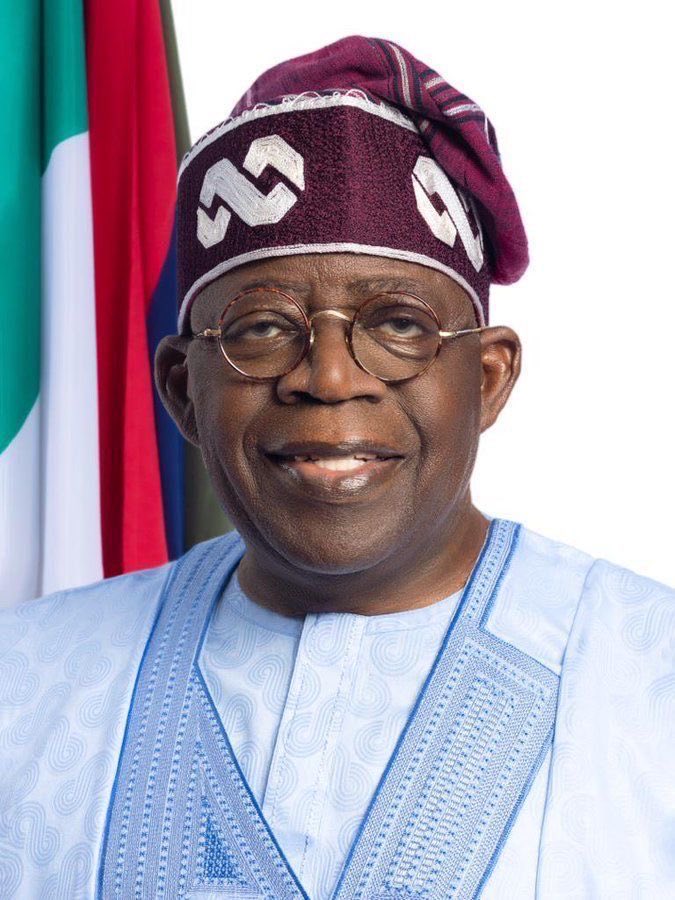
Nigeria has secured a major legal victory in its long-running dispute with Sunrise Power and Transmission Company Limited over the Mambilla Hydroelectric Power Project in Taraba State.
An International Chamber of Commerce (ICC) arbitration tribunal sitting in Paris ruled in favour of Nigeria on September 17, 2026, rejecting claims brought by Sunrise Power in connection with the controversial power project.
The dispute has exposed Nigeria to potentially billions of dollars in financial claims over agreements connected to the development of Mambilla.
According to the Federal Government's account, Sunrise had sought $680 million, including a settlement sum and interest, in the latest arbitration. A separate related arbitration involves a claim of more than $2.7 billion in compensation and interest. Together, the claims represented a potential exposure of more than $3.38 billion.
What the ICC decision means
The tribunal's decision rejected Sunrise's claims arising from the settlement arrangement connected to the Mambilla dispute.
Reports on the final award also state that the tribunal dismissed a $400 million demand linked to the settlement agreement and ruled that Sunrise Power and its promoter, Leno Adesanya, should reimburse Nigeria for 75 per cent of specified legal fees and expenses. The amount awarded for Nigeria's legal fees and expenses was reported at about $11.82 million.
The dispute dates back to a 2003 agreement concerning the development of a major hydroelectric power plant in Taraba State. President Bola Tinubu said the Federal Executive Council had not authorised the contract and described the agreement as illegal. That characterisation reflects the Nigerian government's position in the dispute and should be distinguished from the tribunal's specific findings in its award.
Why the Mambilla project matters
The Mambilla Hydroelectric Power Project has remained one of Nigeria's most discussed unfinished power projects.
The original proposal involved a 3,050-megawatt hydroelectric plant, while subsequent plans have involved changes to the project's scope and capacity. The project is located in Taraba State and has long been viewed by successive Nigerian governments as having the potential to contribute substantially to the country's electricity supply.
For years, legal disputes surrounding the project have been an important obstacle to its progress.
President Tinubu said the latest ICC decision removes what he described as the “single biggest legal hurdle” that had paralysed the Mambilla project for years.
However, the arbitration victory does not by itself mean that electricity from Mambilla will immediately become available. The project still requires financing, construction, transmission infrastructure, procurement and other implementation steps before it can begin supplying power.
What it could mean for Nigerians
The significance of the ruling for ordinary Nigerians ultimately depends on what happens next.
If the removal of the major legal dispute allows the government and potential investors to move the Mambilla project forward, the project could eventually add substantial generating capacity to Nigeria's electricity system.
More reliable electricity could affect households and businesses by reducing dependence on petrol and diesel generators, lowering some operating costs and improving the ability of businesses to plan production.
Manufacturers, small businesses, hospitals, schools and households could all benefit from a more dependable electricity supply if additional generation is successfully delivered to consumers.
But those benefits remain potential future impacts, rather than an immediate result of the ICC ruling. The project must still move from legal resolution to financing, construction and eventual electricity generation.
Government praises legal team
President Tinubu commended Attorney-General of the Federation and Minister of Justice Lateef Fagbemi and officials of the Federal Ministry of Justice for their work on the case.
He also acknowledged Nigeria's defence team, led by Elizabeth Oger-Gross and Tolu Obamuroh of Paul Hastings LLP.
Former Presidents Olusegun Obasanjo and the late Muhammadu Buhari were also identified by the President as witnesses in the proceedings, while former ministers Babatunde Fashola and Suleiman Adamu were among others whose contributions were acknowledged.
The President also credited the National Security Adviser and the Economic and Financial Crimes Commission with supporting Nigeria's position and investigation relating to the matter.
The road ahead
The ICC decision removes a significant legal issue surrounding the Mambilla project, but Nigerians will be watching what the Federal Government does with the opportunity.
The central question now is whether the legal breakthrough can be followed by concrete progress on financing, construction and transmission infrastructure.
For Nigerians facing persistent electricity challenges, the value of the arbitration victory will ultimately be measured not only by the money Nigeria avoided paying, but by whether it helps clear the way for a power project capable of delivering additional electricity to the national grid.
The Mambilla project has been discussed for decades. The latest arbitration decision closes an important chapter in its legal history. The next challenge is turning that legal development into an actual infrastructure project that can benefit Nigerians.