LAWMA to Arrest Buyers Patronising Illegal Roadside Traders in Lagos
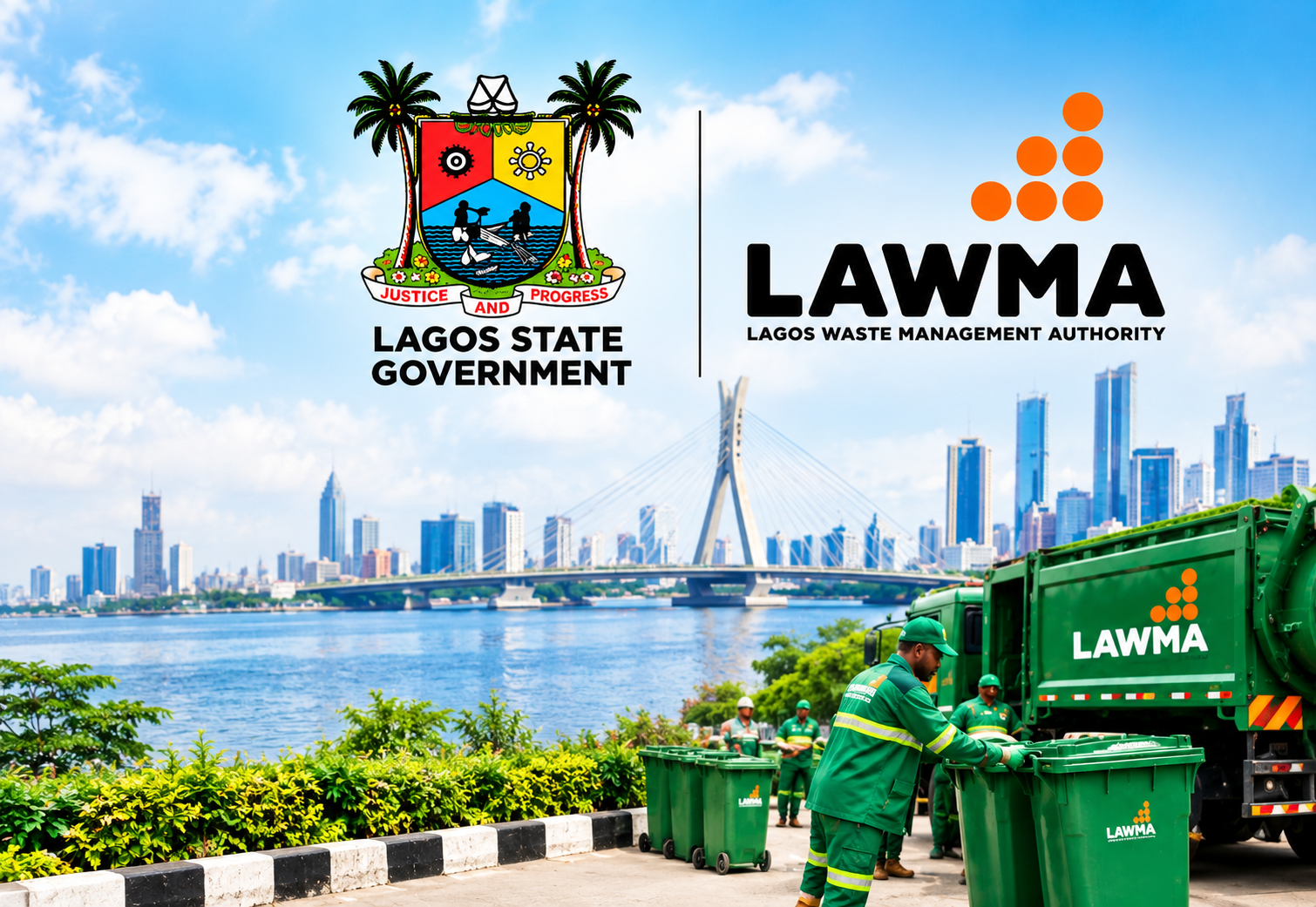
The Lagos Waste Management Authority (LAWMA) has announced a tougher enforcement approach against illegal roadside trading, warning that residents who purchase goods from traders operating in unauthorised public spaces could also face arrest and prosecution. The enforcement is expected to begin next week and will target not only traders occupying roads, medians, walkways, setbacks and other prohibited areas, but also customers who patronise them. According to LAWMA Managing Director and Chief Executive Officer, Dr. Muyiwa Gbadegesin, the measure is part of a renewed strategy to tackle illegal trading, indiscriminate waste disposal and the obstruction of public infrastructure across Lagos State.
Buyers could also face legal action
LAWMA said the decision is based on Section 151(2) of the Lagos State Environmental Management and Protection Law 2017, which the Authority says prohibits the purchase of goods displayed or offered for sale in certain prohibited public spaces. Under the enforcement plan, a person found purchasing goods from an illegal roadside trader could be arrested alongside the trader and prosecuted. LAWMA said a person convicted of the offence could face a ₦90,000 fine, six months' imprisonment, or both, according to the provision cited by the Authority. The development represents a significant change in enforcement because attention is no longer being placed solely on the people selling goods in prohibited locations. The agency is also targeting the demand that keeps such trading activities profitable.
Why is LAWMA targeting buyers?
Illegal markets and roadside trading are not only an issue of commercial activity. They can create several environmental and public-safety problems. When traders occupy roads, medians and walkways, customers often stop their vehicles or gather around the trading points. This can reduce available road space, contribute to traffic congestion and expose pedestrians and motorists to additional risks. The activities can also generate significant amounts of waste. Food packaging, plastic bags, cartons and other refuse may be left around trading locations and eventually find their way into drains and other public spaces. When drainage channels become blocked with waste, the consequences can become more serious during periods of heavy rainfall, as blocked drainage can contribute to flooding.
LAWMA therefore wants to break what it describes as a cycle in which traders occupy prohibited spaces because customers continue to patronise them. What does this mean for Lagos residents? The announcement means residents will need to be more careful about where they choose to shop. A roadside trader may sometimes appear more convenient because the goods are close to a person's home, workplace or route. However, LAWMA's new position means that convenience could potentially expose buyers to enforcement action if the transaction takes place in a prohibited location. Residents are therefore being encouraged to patronise recognised markets and businesses operating from authorised locations. Businesses and residents are also expected to use approved waste-collection channels rather than disposing of refuse on roads, drains or other public spaces.
How effective could the new policy be?
Targeting buyers could potentially make enforcement more effective because it addresses both sides of the illegal-trading market. If fewer people patronise unauthorised roadside markets, traders may have less incentive to occupy public spaces. This could make it easier for authorities to keep previously cleared locations from returning to the same condition. However, the success of the policy will also depend on consistent enforcement and the availability of accessible legal alternatives for traders and consumers. LAWMA has said it is simultaneously working to strengthen waste collection in inner streets and communities around areas where illegal dumping has previously been cleared. Addressing waste-collection gaps will be important because enforcement alone may not permanently solve environmental sanitation problems.
How this information can help citizens
- It helps residents understand the new enforcement position. People who previously assumed only illegal traders could be arrested should be aware that LAWMA says buyers can also face enforcement action.
- It can help motorists avoid unnecessary problems. Stopping on roads or medians to purchase goods can contribute to congestion and potentially place motorists in an enforcement situation.
- It encourages safer shopping habits. Using recognised markets and authorised businesses can reduce exposure to roadside hazards.
- It can contribute to a cleaner environment. Reducing patronage of roadside markets can help discourage the accumulation of refuse in public spaces.
- It raises awareness about responsible waste disposal. Residents can play a role in keeping drains, roads and walkways free from waste by using approved waste-collection services.
The bigger picture
LAWMA's latest warning sends a broader message: keeping Lagos clean and orderly is not solely the responsibility of government agencies. Authorities have a responsibility to provide effective waste-management services and enforce environmental laws, while residents and businesses also have responsibilities concerning where they trade, shop and dispose of waste. If consistently implemented alongside adequate waste-collection services and reasonable alternatives for traders, the policy could help reduce illegal roadside markets, improve pedestrian access, ease some traffic-related problems and limit the amount of waste entering public spaces. For Lagos residents, the safest approach is straightforward: avoid buying goods from traders operating in prohibited public spaces and use recognised markets and approved waste disposal channels.