INEC Chairman Says AI Will Not Decide Nigeria's 2027 Election Results
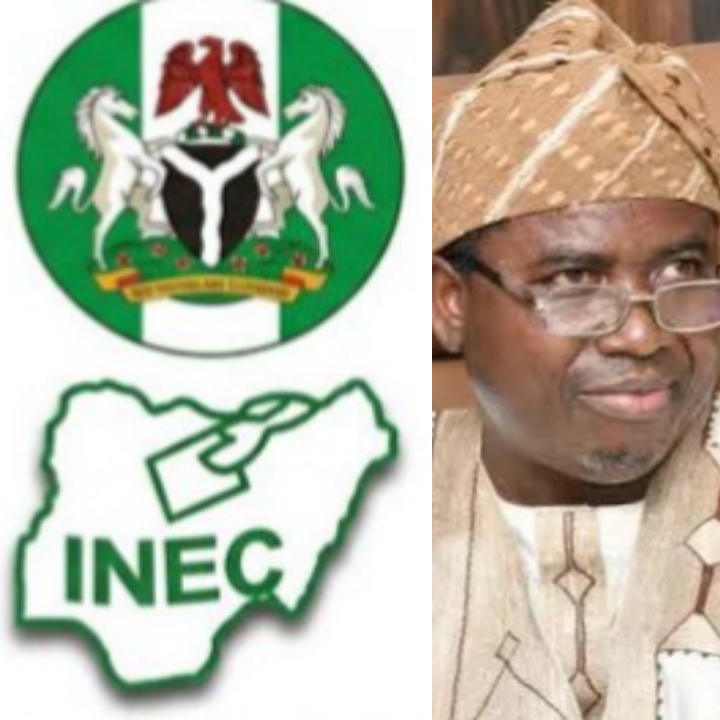
The Chairman of the Independent National Electoral Commission (INEC), Joash Amupitan, has emphasised that artificial intelligence will not determine the winners of Nigeria's 2027 general elections.
Amupitan reportedly made the statement during the Artificial Intelligence and Democracy Forum 2026 in Abuja, where discussions focused on protecting elections from emerging technological risks. According to a report by Naija News, the INEC chairman maintained that the Nigerian people's votes must remain the basis for determining who occupies elected public offices. His reported remarks come amid growing international debate about the use of artificial intelligence in political communication, online campaigning and the spread of misleading information.
AI Presents New Electoral Challenges
Artificial intelligence tools can be used to produce realistic images, audio recordings and videos. These technologies can also help users create political advertisements and distribute information rapidly across digital platforms.
While such tools can support communication and improve access to information, they can also be misused to impersonate public figures or spread false claims about candidates. During an election period, misleading material may confuse voters, damage reputations and increase tensions between political groups. The challenge for election administrators is to protect the integrity of the process without unnecessarily restricting legitimate political discussion or the lawful use of technology.
The Importance of Transparent Election Administration
Technology can support electoral administration, but public confidence also depends on transparent procedures, clear rules and effective responses to complaints. INEC's preparations will therefore be closely watched as political parties, candidates and voters assess how emerging technologies might affect the 2027 elections. The commission's reported position is that technological tools must serve democratic institutions rather than replace the authority of voters. However, the practical implications of that position will depend on the safeguards and procedures implemented before the elections.