IGP Disu Urges Nigerians to Stop Turning Police Officers Into Social Media Content
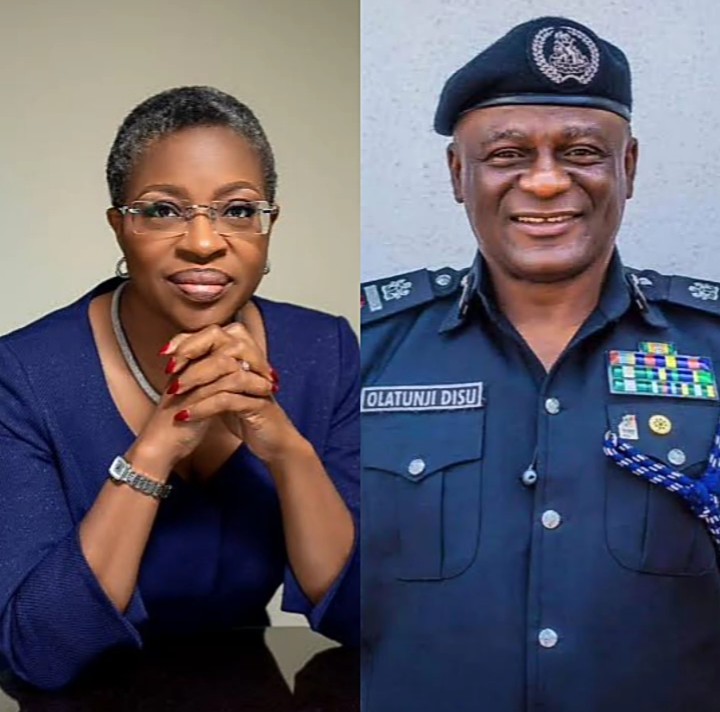
Nigeria’s Inspector-General of Police, Tunji Disu, has called for restraint in the way members of the public record police officers while they are carrying out their duties, warning that filming officers simply for entertainment or social media content could affect their morale. Disu made the comments in Abuja during a meeting with the President of the Nigerian Bar Association (NBA), Oyinkansola Badejo-Okusanya, and members of the association’s executive committee. The meeting also examined the relationship between the police, lawyers and the public, particularly around citizens’ rights and police accountability. The police chief's concern comes several months after a Federal High Court judgment in Warri affirmed that Nigerians have a constitutional right to record police officers carrying out law-enforcement duties in public spaces. The March 17, 2026 judgment also addressed the use of visible identification by police officers and protections against harassment of citizens who document police operations.
Why the IGP is concerned
Disu said the court ruling had created concern within the Police Force because some members of the public appeared to interpret the right to record as permission to film police officers wherever they encountered them. He pointed to the difficult conditions faced by officers deployed to highways, forests, checkpoints and other potentially dangerous locations. According to the IGP, officers working in such environments should be allowed to concentrate on their security responsibilities rather than becoming the subject of social-media entertainment. His argument, however, does not amount to a blanket rejection of citizens recording police activities. Reports of the discussion indicate that the concern is particularly about recording officers for skits, ridicule or entertainment rather than documenting an incident for legitimate public-interest or accountability purposes.
NBA president backs transparency
NBA President Oyinkansola Badejo-Okusanya offered a different perspective, arguing that transparency remains important when police officers are performing official duties. She also recognised that officers have a right to privacy when they are not performing public duties. Recording an officer while eating or engaging in a private activity, for example, could cross a different boundary from documenting an official police operation. Badejo-Okusanya pointed to the use of body-worn cameras by police in the United States as an example of how recording can become an accountability mechanism. Such systems can provide evidence of encounters between officers and members of the public and potentially help investigate allegations of misconduct. She therefore argued that the solution should not necessarily be to prevent recording, but to establish clearer boundaries on when recording is legitimate, when it interferes with police operations and when it violates privacy.
What does this mean for ordinary Nigerians?
The debate is important because it affects both citizens' rights and public safety. For citizens, recording a police encounter can provide evidence if there is a dispute over what happened. A video may help establish whether an officer or member of the public acted appropriately. At the same time, citizens should understand that having a right to document public activity does not mean they should deliberately obstruct an operation, interfere with an investigation or use footage to harass or humiliate officers. The 2026 court ruling is particularly significant because it recognised citizens' ability to document police conduct in public.
How the information can help citizens
- It helps citizens understand their rights. People should not assume that simply holding up a phone to document lawful police activity is automatically an offence.
- It encourages responsible recording. Citizens can distinguish between recording an incident because accountability is important and recording an officer merely to generate viral entertainment.
- It can protect both citizens and police officers. An accurate recording can provide evidence when conflicting accounts emerge about a police encounter.
- It highlights the need for clearer rules. The disagreement between the IGP and NBA president shows why clearer guidelines could help citizens and police officers understand the boundaries of recording.
- It could encourage better accountability mechanisms. The discussion about body cameras raises the possibility of using technology not only to monitor citizens, but also to create reliable records of police interactions.
The bigger issue: accountability versus operational safety
The central question is not simply whether Nigerians should be allowed to record police officers. It is how the right can be exercised responsibly while allowing officers to perform their duties effectively. Too much restriction could weaken transparency and make it harder to document misconduct. On the other hand, indiscriminate filming for entertainment could interfere with police work, invade officers' privacy and trivialise potentially dangerous operations. A practical solution would be clear guidelines that distinguish between legitimate documentation, interference with police operations, privacy violations and social-media exploitation. The discussion between the Police leadership and the NBA therefore represents an opportunity for both sides to develop a clearer framework rather than allowing confusion to continue. For citizens, the most important lesson is simple: know your rights, but exercise them responsibly. For the police, transparency and accountability should remain part of professional policing while legitimate operational concerns are protected.