FG Says Debt Interest-to-Revenue Ratio Is Below 60%, Disputes World Bank's 124% Figure
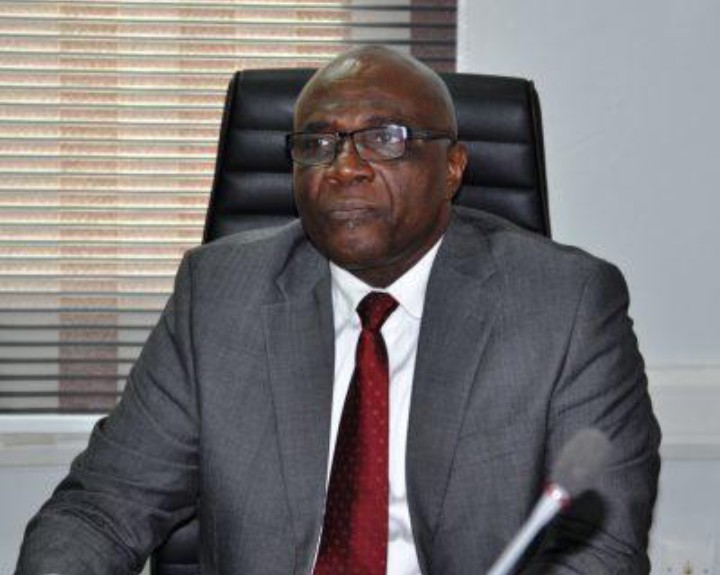
The Federal Ministry of Finance has challenged reports that federal government interest payments reached 124 per cent of revenue in the first half of 2026, arguing that the figure does not account for revenue collection patterns and the scope of government debt obligations. The Federal Government has disputed public interpretations of Nigeria's debt interest payments, insisting that the reported 124 per cent ratio presents an incomplete picture of the country's fiscal position. The Federal Ministry of Finance made its position known in a statement shared by Bayo Onanuga, who attributed the statement to the ministry, following discussions surrounding the World Bank's October 2026 Nigeria Development Update.
The ministry argued that comparing interest payments with federal revenue alone overlooks certain financial obligations and revenue sources that could affect the calculation. It maintained that Nigeria's full-year debt-service-to-revenue ratio for 2025 was below 60 per cent, compared with 97 per cent before the current administration's reforms. However, the government acknowledged that the first-half interest-to-revenue ratio for 2026 stood at 124 per cent under the calculation being discussed.
FG Questions How the 124% Figure Was Calculated
According to the ministry, the reported figure compares debt obligations that include payments made on behalf of other tiers of government with revenue attributed solely to the Federal Government. The ministry said the federal government services some external loans on behalf of state governments, arguing that including those obligations without corresponding revenue from the same levels of government could inflate the resulting ratio. It also contended that the revenue figure used in the calculation excludes some income earned by government agencies and enterprises that has yet to be transferred to the Treasury.
The ministry further explained that revenue collection is not evenly distributed throughout the year, with certain statutory tax payments typically generating more receipts in the second half. On this basis, the government argued that the first-half figure should not be interpreted as a complete measure of its annual debt position. Nevertheless, determining the effect of these factors requires examining the underlying financial data and ensuring that the debt and revenue figures are measured on a consistent basis.
Government Reports 72% Growth in Revenue
The Ministry of Finance also highlighted an increase in federal revenue between January and June 2025 and the corresponding period in 2026. According to the statement, federal revenue rose from ₦3.6 trillion in the first half of 2025 to ₦6.2 trillion in the first half of 2026, representing an increase of approximately 72 per cent. Over the same period, interest payments increased from ₦5.6 trillion to ₦7.7 trillion, a rise of approximately 38 per cent.
The ministry said the figures demonstrate that revenue is growing faster than interest expenses. It added that the difference between interest payments and revenue narrowed from ₦2 trillion in the first half of 2025 to ₦1.5 trillion in the first half of 2026. The government described the trend as evidence that its economic reforms are producing results. However, although revenue grew faster than interest payments over the period, the figures supplied by the ministry still show that interest expenses exceeded federal revenue during the first half of 2026.
FG Cites Full-Year Debt-Service Projection
The ministry argued that a six-month assessment should not be used in isolation to determine whether Nigeria's debt is sustainable. It pointed to the World Bank's reported projection that Nigeria's full-year 2026 debt service, covering both interest payments and principal repayments, would amount to 46 per cent of revenue. According to the ministry, the full-year projection provides a more appropriate basis for assessing the government's debt obligations. However, the two ratios measure different things. The 124 per cent figure concerns interest payments relative to reported revenue during the first half of the year, while the 46 per cent projection covers total debt service, including principal repayments, over the full year. A meaningful comparison must therefore account for the different reporting periods, revenue assumptions and definitions used in calculating each figure. The ministry's argument is that the annual outlook offers a broader perspective, rather than that the two ratios are directly interchangeable.
Government Defends Its Borrowing Practices
The Federal Ministry of Finance also maintained that federal borrowing complies with the applicable legal framework and the borrowing limits approved by the National Assembly. It cited the 2026 Appropriation Act, the approved borrowing plan, the Fiscal Responsibility Act 2007 and the Debt Management Office (Establishment) Act 2003.
The ministry said federal borrowing activities are conducted within the approved framework and disclosed through regular publications by the Debt Management Office. It also encouraged analysts, journalists and other commentators to examine public finance figures carefully, compare equivalent measures and seek clarification when the data requires further explanation. Compliance with borrowing laws, however, is distinct from the question of debt sustainability, which also depends on revenue performance, interest costs, repayment obligations and the resources available for public expenditure.
What the Figures Mean for Nigeria's Economy
The disagreement highlights the importance of how government revenue and debt obligations are measured when assessing Nigeria's fiscal position. Higher revenue can improve the government's ability to meet its financial commitments. However, rising interest payments can continue to limit the funds available for infrastructure, healthcare, education and other public services. The figures cited by the ministry indicate that federal revenue increased significantly between the first halves of 2025 and 2026. At the same time, interest payments remained higher than reported federal revenue during the first six months of 2026. The World Bank's assessment and the ministry's response therefore raise related but distinct questions: how much revenue the government collects, how much it spends servicing debt, and whether its income can support both its financial obligations and development priorities. A full assessment requires consistent data covering the same government entities and reporting periods, alongside an examination of the assumptions behind annual projections. For now, the Federal Government maintains that its debt position is improving, while the debate over the interpretation of the 124 per cent first-half ratio highlights continuing scrutiny of Nigeria's public finances.