FG Commissions 1MW Solar Mini-Grid, Begins 16MW Projects in Gombe
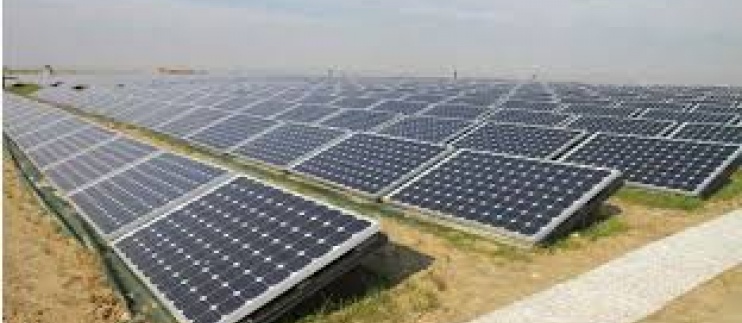
Photo Credit: Punch
The Federal Government has commissioned a 1-megawatt solar power project in Gombe State and commenced construction of four additional mini-grid projects designed to expand electricity access and support rural businesses.
The Federal Government has commissioned a 1-megawatt (MW) solar mini-grid in Talasse, Balanga Local Government Area of Gombe State, while officially commencing work on four additional interconnected mini-grid projects with a combined capacity of 16MW.
The commissioning ceremony took place on Saturday, October 17, 2026, and marked a new phase in efforts by the federal and state governments to improve electricity access in underserved communities.
The Talasse facility is equipped with a 2.4-megawatt-hour (MWh) battery energy storage system designed to store electricity generated by the solar installation and help improve the reliability of power supply.
According to reports by The PUNCH and Tribune Online, the project is expected to serve more than 6,000 residential, commercial and productive-use connections through a dedicated electricity distribution network.
Four More Solar Projects Planned
The commissioning of the Talasse facility coincided with the groundbreaking ceremony for four interconnected mini-grid projects planned for Dukku, Bajoga, Kumo and Kaltungo.
Together, the proposed installations will have a combined capacity of 16MW.
The projects are intended to extend electricity access to additional communities while supporting commercial activities, agricultural processing and small-scale enterprises.
The development forms part of broader efforts to complement Nigeria's conventional electricity grid with decentralised renewable energy systems capable of supplying communities that lack reliable access to grid electricity.
Solar Power to Support Agriculture and Small Businesses
Beyond providing electricity to homes, the Talasse project incorporates equipment intended to help residents use power for income-generating activities.
The facilities include electric tricycles, a groundnut oil processing plant, a modular rice mill and electric flour-grinding machines.
These additions are expected to support agricultural processing and other local businesses by providing access to electricity for activities that might otherwise depend on costly or unreliable energy sources.
For farmers, improved access to processing equipment could help reduce the need to transport produce elsewhere for milling and processing. Traders and small business owners may also benefit from more dependable electricity for their daily operations.
However, the actual economic benefits will depend on the affordability and reliability of the electricity supply, the cost of using the equipment and the ability of local businesses to access the facilities.
Government Highlights Economic Benefits
Gombe State Governor Muhammadu Inuwa Yahaya described the project as the result of cooperation between the state government and the Federal Government through the Rural Electrification Agency (REA).
The governor said linking electricity infrastructure with agricultural processing and transportation could strengthen economic activity in rural communities.
He also acknowledged the role of the Federal Government and the REA in supporting the state's electrification programme.
Minister of Power Joseph Tegbe said the projects reflected the government's approach of expanding electricity access beyond major urban centres.
He emphasised that the impact of rural electrification should be assessed not only by the amount of power generated but also by how electricity improves people's livelihoods and enables businesses to operate more effectively.
More Than 6,000 Connections at Talasse
The Managing Director and Chief Executive Officer of the Rural Electrification Agency, Abba Aliyu, said the commissioned 1MW project serves 6,028 connections.
According to the figures reported at the event, these comprise 5,929 residential connections, 84 commercial connections and 15 connections dedicated to productive economic activities.
The inclusion of battery storage is also significant because solar installations depend on sunlight for generation. Battery systems can store excess electricity for later use, although the duration and consistency of supply depend on available generation, storage capacity and electricity demand.
The project therefore combines power generation and storage with infrastructure intended to support both household needs and economic activities.
Background: Nigeria's Push for Decentralised Electricity
Nigeria continues to face challenges in providing reliable electricity to households and businesses, particularly in rural and underserved areas.
Mini-grids offer an alternative approach by generating and distributing electricity closer to the communities they serve. Depending on their design, they can operate independently of the national grid or connect to it.
The Federal Government has been promoting renewable energy projects through the Rural Electrification Agency and related programmes, including the Distributed Access through Renewable Energy Scale-up initiative.
Such interventions seek to expand electricity access while attracting investment in decentralised energy infrastructure.
Nevertheless, the long-term success of the projects will depend on effective maintenance, sustainable financing, affordable tariffs and transparent management.
What the Projects Mean for Gombe Residents
The commissioning of the Talasse solar mini-grid and the launch of the four additional projects represent an expansion of electricity infrastructure in Gombe State.
If the new facilities deliver reliable and affordable power as intended, they could create opportunities for businesses to increase production, farmers to process their produce locally and residents to improve their access to electricity.
The planned 16MW installations will also be important to watch as construction progresses, particularly regarding completion timelines, the number of communities connected and the quality of service delivered.
For residents, the central measure of success will be whether the projects translate into dependable electricity and sustainable economic opportunities.
NaijaGossiper will continue to monitor developments in Nigeria's electricity sector and report on the progress of the projects as further details become available.