CBN Tightens Crackdown on Terrorism Financing, Warns Financial Sector of Increased Scrutiny
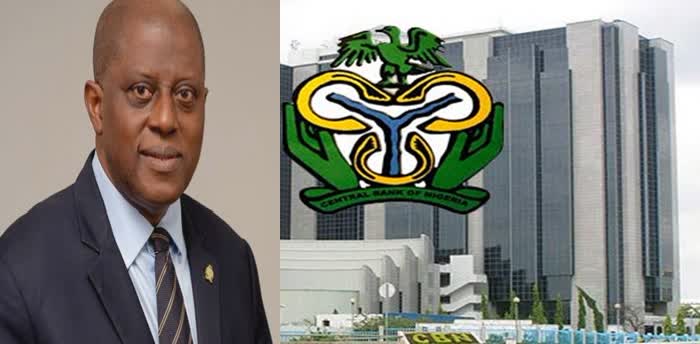
The Central Bank of Nigeria (CBN) has elevated the supervision of terrorism financing risks to a current priority, in a move aimed at preventing Nigeria’s financial system from being exploited by terrorists and other illicit actors. The apex bank disclosed this in a press release dated September 8, 2026, signed by its Acting Director of Corporate Communications and Investor Relations, Sidi-Ali Hakama. The announcement means financial institutions will face closer regulatory attention over how they detect, monitor and report transactions that could be connected to terrorism financing. The CBN's latest position is consistent with its broader efforts to strengthen anti-money laundering and counter-terrorism-financing controls across Nigeria's financial sector.
What exactly is the CBN changing?
According to the CBN, its supervisory focus will cover several major areas, including terrorism-financing risk management, transaction monitoring, targeted financial sanctions and the reporting of suspicious transactions. The Bank said it will continue using a risk-based supervisory approach, including both on-site and off-site engagements with financial institutions, to ensure that Anti-Money Laundering (AML), Countering the Financing of Terrorism (CFT) and Countering Proliferation Financing (CPF) controls are properly implemented. In simple terms, banks and other regulated financial institutions are expected to pay closer attention to where money comes from, where it is going and whether particular transactions raise legitimate concerns. This is not an entirely new responsibility for financial institutions. The CBN has previously conducted risk-based examinations and targeted checks involving banks' compliance with terrorism and proliferation financing sa
Why is this important for Nigeria?
Terrorist organisations require money to operate. Financing can be used to acquire equipment, move personnel, maintain networks, obtain supplies and support other illegal activities. For that reason, attacking the financial channels that support terrorism can complement military, intelligence and law-enforcement operations. Nigeria's financial system is particularly important because millions of people and businesses use banks, fintech platforms, payment services and other financial institutions every day. If illicit funds can move through these channels without adequate monitoring, criminals can potentially exploit the formal economy. The CBN's 2026 measures therefore place greater responsibility on financial institutions to strengthen their monitoring systems. The Bank had already introduced baseline standards for automated AML/CFT/CPF solutions, including systems designed to detect, analyse and report suspicious financial activity.
How will this affect ordinary Nigerians?
For most legitimate customers, the immediate effect should be greater scrutiny rather than a ban on normal banking activities. Banks may pay closer attention to unusual transactions, particularly transactions that do not appear consistent with a customer's normal financial activities. This could mean that some customers are asked additional questions or requested to provide information about particular transactions. However, stronger financial monitoring can also have positive effects for citizens.
- It can make it harder for criminals to move money If banks become better at identifying suspicious transactions, criminals may find it more difficult to use legitimate financial channels to move or conceal illicit funds.
- It can strengthen the safety of the financial system A financial system with stronger AML and CFT controls can be more resilient against abuse by criminals and terrorist networks. The CBN's own risk assessment has recommended stronger AML/CFT/CPF supervision, particularly for higher-risk financial institutions and activities.
- It can improve Nigeria's international financial reputation Financial crime controls are not only a domestic issue. Countries are expected to maintain systems capable of preventing money laundering and terrorism financing. The Financial Action Task Force (FATF), for example, maintains international standards for combating money laundering, terrorist financing and proliferation financing. A stronger Nigerian financial-control framework can therefore support confidence among international financial institutions, investors and businesses.
- It can help investigators follow suspicious money Financial records can provide important evidence when authorities investigate criminal networks. Better monitoring and reporting can make it easier to identify unusual patterns and potentially trace financial links between individuals or organisations.
What should citizens do?
Ordinary Nigerians do not need to panic over the announcement. The key message is that legitimate financial activity should continue, while financial institutions will be expected to take suspicious transactions more seriously.
Customers should:
*. Keep their banking and identification information accurate.
*. Avoid allowing other people to use their bank accounts for unexplained transactions.
*. Be careful about receiving money on behalf of strangers.
*. Keep records or explanations for legitimate large or unusual transactions.
*. Report suspected financial fraud through the appropriate channels.
*.Never knowingly facilitate transactions connected to criminal activities.
*. The CBN has previously warned financial institutions that failure to comply with AML/CFT obligations can result in regulatory sanctions, including financial penalties and, in some circumstances, loss of operating licences.
The CBN's Focus
The CBN's announcement should be viewed as part of a broader effort to protect Nigeria's financial system from criminal exploitation rather than simply as a new rule affecting ordinary bank customers. The effectiveness of the policy, however, will depend on how well financial institutions implement it. Increased monitoring alone will not eliminate terrorism financing. Banks, fintech companies, regulators, law-enforcement agencies and intelligence bodies must be able to share relevant information and act on credible alerts while also protecting legitimate customers from unnecessary disruption. For citizens, the potential benefit is significant: a financial system that is harder for terrorists, fraudsters and other criminal networks to exploit ultimately protects the wider economy and the people who depend on it. The CBN says further supervisory engagement will be undertaken as appropriate as it continues to strengthen Nigeria's financial safeguards.